‘This, then, is how you should pray.’
If we’re honest, just one mention of the topic of prayer will be enough to provoke several responses for each of us. We often feel guilty, worried that we’re not praying enough and suspecting that others are somehow doing better than we are. But we may also feel a longing to pray more and at a deeper level, a desire that reveals the deepest desire all of us have, to be closer to the loving Father who is also our creator.
Of the many definitions I’ve read of prayer, my favourite comes from the 17th century priest and poet George Herbert. He describes it as ‘God’s breath in man returning to his birth’. I love these words because they express to me the mystery and wonder of prayer, as well as the comfort that comes from drawing near to the one who has made us and understands us yet also loves us more than we can imagine.
Further wisdom comes from the Dutch priest, Henri Nouwen. He wrote that: ‘The paradox of prayer is that it asks for a serious effort while it can only be received as a gift. We cannot plan, organise or manipulate God; but without a serious discipline, we cannot receive him either.’ We all need to honestly acknowledge the tension expressed here. As with other spiritual disciplines, prayer is something we need to train ourselves in. Many of us will have been blessed by acrostics or methods that can inform our practices, and yet technique will only take us so far. The moment will come for all of us when we have to deal with the disappointment of unanswered prayers, especially hard given that our most heartfelt pleas to God are made on behalf of those we love the most. Prayer asks important questions of all of us: how do we keep going when the outcomes we hope for don’t occur? To what extent can prayer really change things and how does this relate to the way God has or hasn’t planned the course of our lives? What is the difference between bold and confident prayers and dictating terms to God? And does God really care about all the issues that I might be tempted to ask him about – should we really pray for parking spaces?
These are the questions we will explore in a series that will run from 3 May to 5 July. As well as our Sunday sermons, our home groups will be studying The Prayer Course, an excellent set of studies produced by Pete Greig and the 24/7 Prayer Team. We hope to offer additional opportunities to take part in the course in weekday afternoons and evenings. Watch this space for further details.

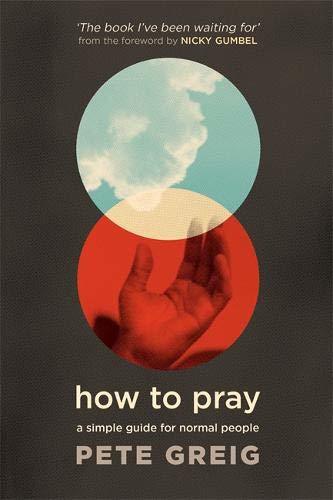
Pete Greig has also written a book called How to Pray: A Simple Guide for Normal People. It’s a short read (coming in at just over 200 pages) and an excellent introduction to this topic.